Skip to content

Cart

Your cart is empty

Article: Tips for Safe & Sound Sleep

Tips for Safe & Sound Sleep

Sleep like a Baby

Having trouble getting your little one to sleep? You're not alone. It's a challenge many parents and caregivers face. The good news is that there are experts including the American Academy of Pediatrics and Centers for Disease Control and Prevention that offer sleep advice to help settle your child and ensure a safe good night’s sleep.

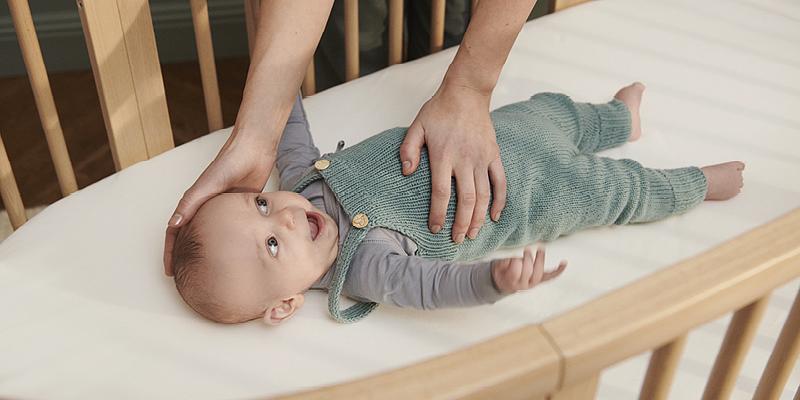
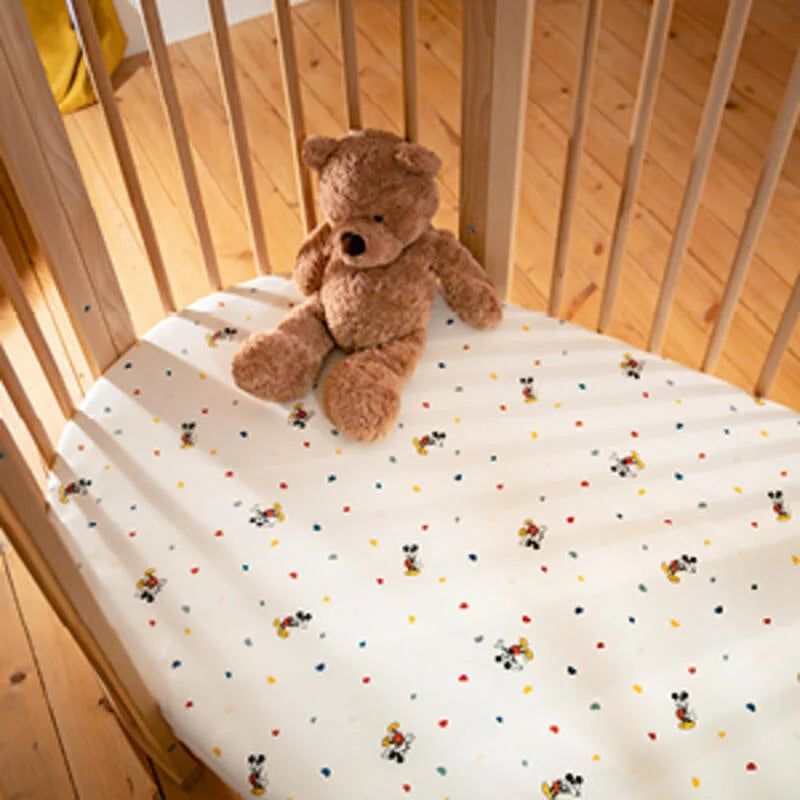
The safest place for your baby to sleep is in his or her own sleep environment. There should be nothing in the crib except for a mattress, a tight-fitting sheet, and the baby. Stuffed animals, crib toys, and mobiles should be removed as these may become a hazard in the night.

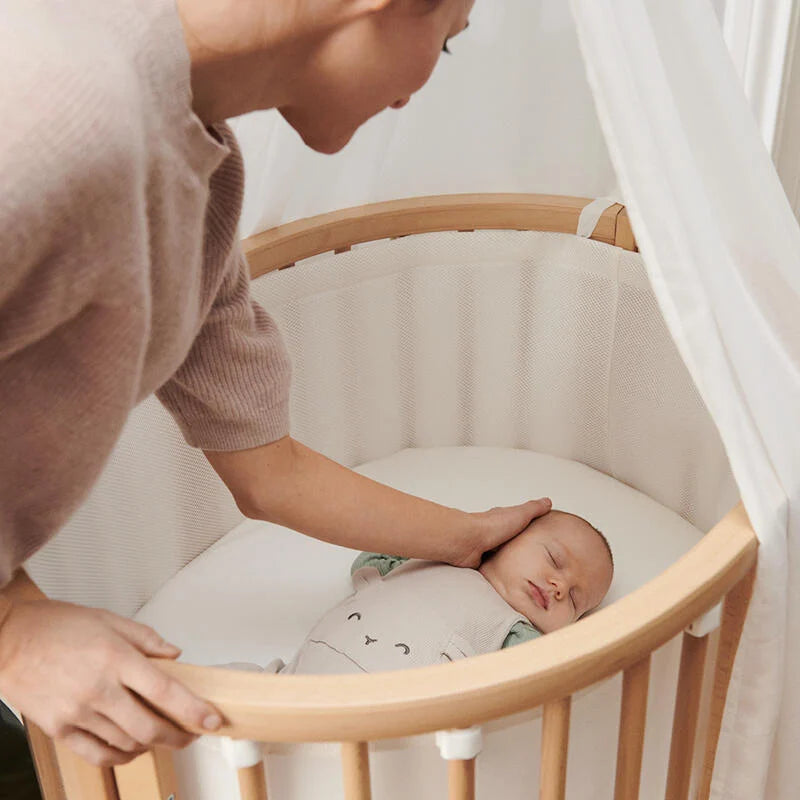
Consider room sharing for the first six months of baby's life but try to avoid bed sharing. It's fine to bring your baby into your bed for feeding or soothing. Nevertheless, it's advisable to place baby back into their own crib afterwards to ensure they and you get a proper’s night sleep and that your baby gets used to their own sleep space. 

Baby's sleep position

The recommended sleep position for small babies and newborns is on their backs. Parents sometimes worry about choking when baby is placed on their back, especially if the baby has reflux or is spitting up, however, professionals agree that even in these cases, babies should be placed down to sleep on their backs. Once babies can roll over on their own, you do not need to roll them back.

Ventilation

Breathability in the crib is key. Of primary importance when purchasing a baby mattress is the selection of a breathing mattress. Most of you have surely already read about these or heard of them. But why is this the case, and what is really important here?

The combination of air-permeable mattress covers and ventilation systems in the mattress core ensure that your baby can breathe freely and does not sweat in their bed. Air channels and breathable materials cause the air within the mattress to circulate. CO2 exhaled by the baby is transported away, and unhealthy heat accumulations are avoided.

The right mattress height

Choose a crib that allows the mattress height to be adjusted. Keep it on the highest level with a newborn to make it easier for you to reach your baby. As soon as your baby can roll over, you will need to lower the mattress to ensure baby's safety, lowering it further still when your child is able to pull itself up to a standing position.

Time for a toddler bed

It’s time to move onto a toddler bed once your baby can climb out of their crib, as unsupervised night-time acrobatics can be very dangerous for your child. If your child asks for a bed, you can also take this as a sign they’re ready to transition. Make the bedroom a hazard-free zone; clear the room of any toys and bookshelves that can be pulled down. Have some safe toys and books on hand so that if your child wakes up before the set time they can entertain themselves.

Read more

Tackling Newborn Day and Night Confusion

Tackling Newborn Day and Night Confusion

While in the womb, babies have no concept of night and day. This is what paves the way to day and night confusion in newborns. In fact, pregnant mums often observe their baby's heightened ...

Read more
Parents' complete guide to baby bouncers and swings

Parents' complete guide to baby bouncers and swings

Learn how to choose and use baby bouncers and swings for your newborn Let’s take a closer look at what baby bouncers and swings are—their benefits, helpful tips for getting the mos...

Read more